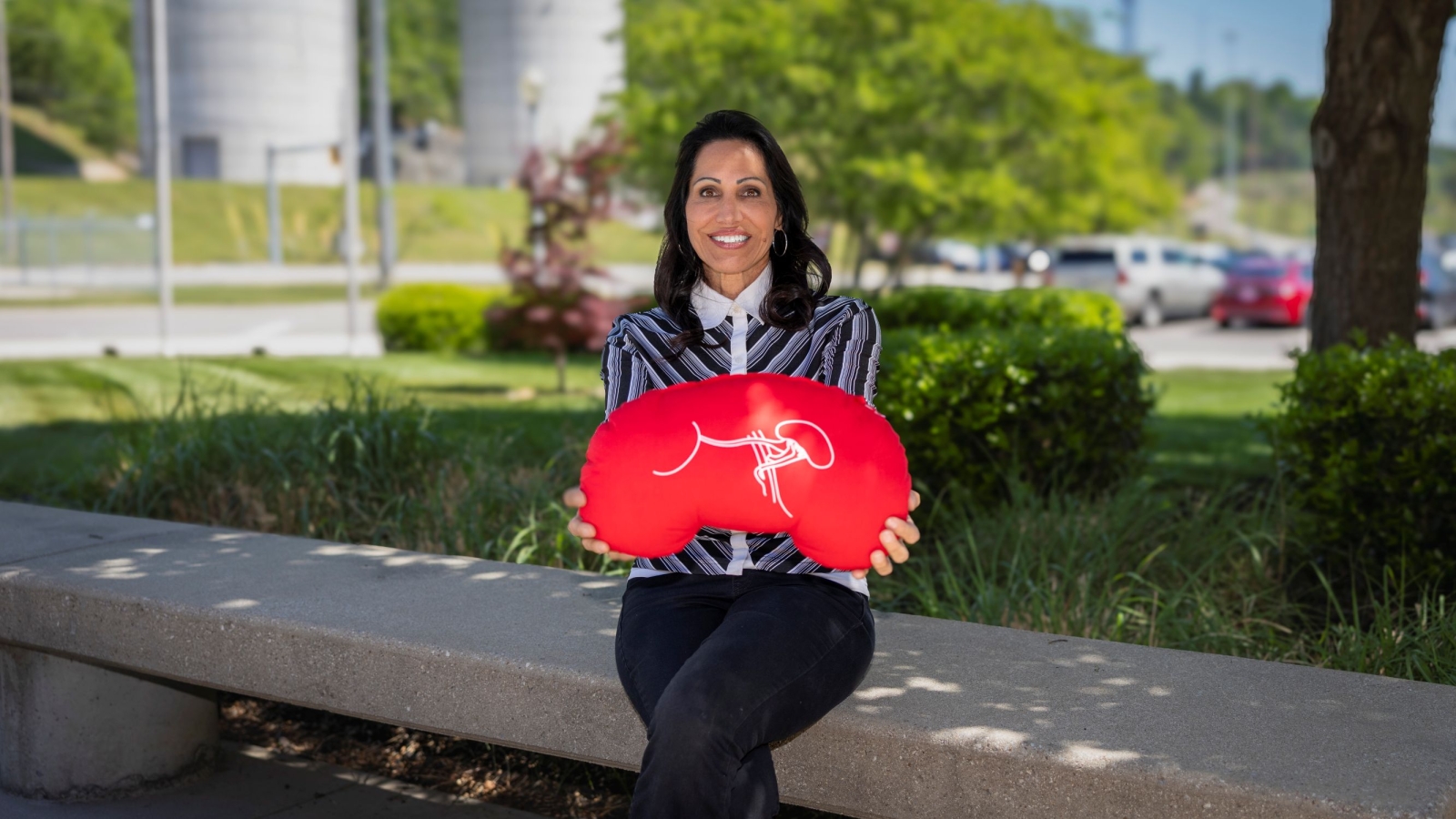
Bonnie H. shares her story of being a living kidney donor.
In her daily work, Bonnie H., ensures Y-12 is protected, so she is not one who typically shares details about herself. When she heard a co-worker’s wife is in need of a kidney, she knew sharing her story of being a kidney donor was an opportunity to “make the right decision for the right reason” as a way to help.
“I want to encourage others to consider signing the living organ donor registry,” Bonnie said.
She feels it is important to educate others on how being a living donor works. Through the process, she came away knowing we each hold “the power to make a difference in someone else’s life in some way. It starts with the simple decision to seek out the needs of those around us — our family, friends, co-workers, and even those whom we don’t know — and to look at what we can do to make someone’s life a little bit easier.”
For Bonnie, it was reading a mother’s plea for her 9-year-old son, Ruger, who had been diagnosed with kidney failure.
“I read the desperate stories of loved ones who are trying to find a way – any way – to save the life of a loved one,” she said. “As a mom who has dealt with my child’s medical crisis and understands the feeling of wanting to desperately find a path to healing, to take away the pain and provide a chance at life, I was moved by their stories and decided to become a living kidney donor.”
Bonnie has learned a lot about the process of being a living donor. “If you are not a direct match, there is a cross-match program where your kidney can be matched with someone, and in turn, they will find the match for the intended recipient. Our co-worker’s wife is one need in our own back yard that we may not be aware of, and there are so many more!”
Her experience shared many lessons, and she feels telling her story may lead to more people becoming donors. “The risk to the donor is so minimal, and less than 1% of donors will need a kidney transplant after donation,” she said.
“In the rare instance that a donor needs a transplant, they are moved to the top of the list. Another interesting incentive that I found out after I turned my donation to the donor list is that as an anonymous donor to the transplant recipient list, you are provided five vouchers you can assign to loved ones.” The voucher moves the family member to the top of the list if they were to need a kidney.
While Ruger didn’t receive Bonnie’s kidney, he did get one. She knows her kidney recipient lives in Arizona. “There is a 1-year waiting period before an anonymous donor and recipient may meet each other, but I have indicated that I am open to meeting my recipient if he/she wants to meet me. I have a natural curiosity about the person who received my kidney, but I would only want to meet if they feel like it is something that would enhance their personal transplant journey.”
For anyone considering to be a living donor, she advised visiting the National Kidney Registration website and review the donor information.
“Clicking the button does not obligate you in any way. If you register, consider checking ‘yes’ to do you want a mentor. I had an excellent mentor to guide me through the process,” she said. “Next, I recommend to read some stories of the thousands who are needing a kidney. Also, look local, as many within our own community are in need of living kidney or liver donors.”
Bonnie is happy to share her experiences with anyone who would like to learn more about living organ donation. “If just one person signs the registry, sharing my story was worthwhile.”
*Note: Always verify your benefits before any procedure.
Resources to check out
- National Kidney Registry (https://www.kidneyregistry.com/)
- Donor information (https://www.kidneyregistry.com/for-donors/am-i-qualified-to-donate-a-kidney/)
- Renal Support Network (https://www.rsnhope.org/shareyourspare/)